 Designed and Manufactured in the UK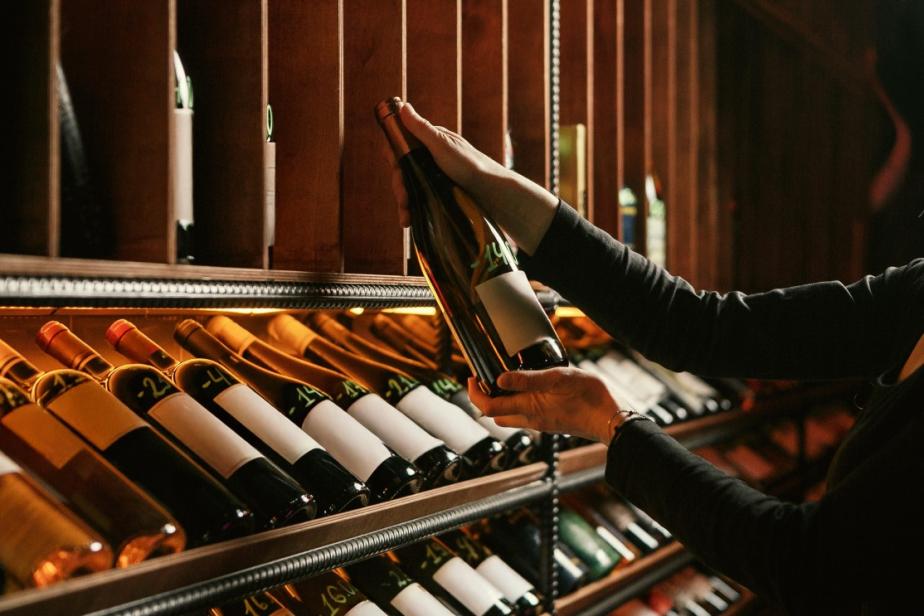
When it comes to fine wine and building a collection, whether for your home or your business, it’s vital to keep every bottle in optimal condition by properly storing it. Not everyone has the luxury of having a temperature-controlled wine cellar or a dedicated wine fridge to keep their collection in pristine condition and full of flavour. Instead, many wine enthusiasts or businesses have no choice but to cram bottles in cupboards or just stack boxes on top of each other. However, storing any type of wine in these conditions can lead to breakage and damage that affects the taste of the wine and the overall quality. This is why you need to know the best way to store wine before opening, for ageing and after opening, so that you can always enjoy fresh, quality flavour that packs a punch.
To help you store wine, prosecco and champagne properly and keep bottles intact, Cranville Wine Racks have created this guide to enjoy full flavour, quality wine that everyone loves.
The Basics of Storing All Types of Wine
When it comes to storing all types of wine, including prosecco and champagne, there are basic methods for all types that need to be covered. The first basic way to store any wine is to get the temperature of the storage area right. Warm temperatures can quickly speed up the maturation process, so they need to be avoided. It’s best to store your wine at temperatures between 10 and 13°C to keep the maturation process steady. As well as this, it’s best to avoid areas where bottles are stored where the temperature changes a lot because this can impact the flavour and quality. This means areas like the kitchen aren’t the best for storing any wine.
You also need to make sure that the area you choose to store your collection in has some level of humidity, but not too much. Humidity can help to stop the cork from drying out, but if there’s too much, it can ruin labels and boxes. The area should also be a dark place because any type of light can cause wine to heat and get old before its time.
One of the biggest parts of storing any type of wine properly to keep it full of flavour and preserve its quality is to position every bottle correctly. You should store wine bottles horizontally to ensure that the cork remains in contact with the wine. This stops it from drying out and causing oxidation. If you have screwcaps, these can also be stored horizontally to maintain their flavour. Due to this, it’s important to store your collection in a wine rack, as this naturally fits bottles in horizontally to keep them in pristine condition. Wine racks come in varying sizes to suit all collection capacities, from small to large and even growing collections! You can easily find the size that suits your needs, fits your available space and keeps your bottles stored in the best position.
How to Store Red Wine
Although there are basics to storing all types of wine, each one does differ slightly from the others. Red wine needs a higher temperature of between 12 to 18°C for storage and must be constant. If the temperature fluctuates often, this can cause red wine to expand and contract, which causes oxidation and seepage. Avoid temperatures above 24°C and below 7°C as the higher temperatures can prematurely age wine and the lower temperatures can slow down the ageing process.
The humidity level for red wine should be about 60-70% to keep the cork moist to prevent air from seeping into the bottle, which can spoil the wine. Make sure that you avoid excessive humidity, as this can cause mould growth. On top of this, keep red wine away from excessive vibrations because these can disturb the sediment in bottles and impact the ageing process. This means that it’s best to keep wine in a stable environment away from constant movement or vibrations.
Storing Red Wine for Ageing
If you’re storing red wine for ageing over several years, it’s best to invest in a proper storage solution, such as a wine rack in a wine fridge, cellar or professional storage facility. These storage solutions are the best way to keep your collection’s quality and flavour intact for years to come. For short-term storage, meaning you’ll consume the wine in a few months, just a wine rack in a dark, cool place will be perfect.
How to Store Red Wine After Opening
When it comes to how to store opened red wine, many assume that it cannot be refrigerated because this type of wine is typically enjoyed at a warmer temperature. However, opened red wine should be stored in the fridge because it helps to slow down oxidation and preserve flavour and freshness. Just reseal your bottle and take it out for about 20 minutes before serving. Make sure that you serve the wine in 3 to 5 days, as red wine after opening lasts for this amount of time when stored correctly.
How to Store White Wine
White wine also has slight differences when it comes to storing bottles for optimal quality and flavour. The temperature for this type of wine needs to be cooler, between 11 and 15°C, to keep it full of flavour and prevent spoilage. Alongside the temperature, the humidity level of the storage area should be between 50% and 85% to keep the cork moist.
This type of wine also needs to be kept out of direct sunlight and any other light source and in a place where there isn’t much disturbance that causes vibration. If you store white wine in a place where disruptions occur, the vibrations can, over time, change the taste of the wine.
Storing White Wine for Ageing
As white wine is more delicate than red wine, storing it for ageing can be more difficult. White wine needs some extra care to age properly and unleash the full flavour profile of the wine. This type needs to be stored horizontally and at the ideal cooler temperature in a dark place. It’s best to store ageing white wine in a wine rack and fridge to keep a consistent temperature.
How to Store Opened White Wine
Many people wonder how to store white wine after opening. The best way to keep your opened bottle fresh is to pop it in the fridge horizontally after sealing it up. As soon as your wine is opened, it’s extremely vulnerable to oxidation as oxygen can easily get in and diminish the flavour and quality. White wine can last for around 3 to 4 days after being opened if kept in optimal conditions.
How to Store Rosé Wine
The biggest difference between rosé wine and red and white wine is that rosé is meant to be enjoyed at a younger age. Rosé wine is fresh and fruity when young, and it’s important to keep these famous characteristics that make this wine so enjoyable. Proper storage prevents this wine from oxidising, losing its flavour and developing horrible aromas. Bottles should be kept at a steady, cooler temperature of 10 to 13°C to stop premature ageing. The storage area should also be dark and away from disruptions that cause vibrations for the best results.
Storing Rosé Wine for Ageing
Although most rosé wines are best consumed at a young age, there are particular types of rosé that can be aged. The majority of bottles should be enjoyed within 12 months, but types like Grenache or Mourvédre can be aged. These types can be kept for up to 5 years or longer to unlock the full flavour profile. For these types, make sure you store them in a cool, dark place and in a wine rack in a wine fridge to keep them in pristine condition.
How to Store Opened Rosé Wine
Once opened, rosé wine should always be refrigerated because it’s best enjoyed at a colder temperature. As well as this, putting open bottles in the fridge prevents oxygen from getting in and spoiling the quality and flavour. Make sure the bottle is properly recorked and keep it horizontal for maximum freshness and flavour. Opened rosé wine can only last for up to 3 days, though, so it’s best to consume it as soon as possible while it’s still fresh.
How to Store Prosecco
Storing prosecco is also similar to the above wines, with slight differences. Prosecco is a fizzier wine and is known for its bubbles, dry yet fruity taste and affordability compared to champagne. To keep prosecco in optimal condition, you need to store it in a dark and cool environment to maintain the taste. Although prosecco is best served cold, storing it in a cool, dark place helps to minimise disruption that can affect the taste and quality. You can put the bottle in the fridge for half an hour before serving to ensure it’s cold enough. However, if you keep it stored there all the time, vibrations can damage the prosecco and spoil it.
The temperature of the storage area doesn’t matter as much, as you’ll need to chill it before service. Your storage area should be around the ideal temperature for every wine – between 10 and 13°C. Before serving, you need to get the bottle to a temperature of 6 to 8°C, so that the prosecco isn’t warm and is full of flavour.
How to Store Prosecco After Opening
When it comes to how to store opened prosecco, it can be difficult to know the best way to keep the flavour. This is why many wine enthusiasts and even businesses tend to throw away unused prosecco. However, an open bottle can be stored in a way that maintains its freshness, quality and taste, without spoiling it or wasting it. Storing prosecco after opening is very different from other wines because it’s sparkling. The key to doing it right is to make sure that you don’t lose its bubbles. After the cork is popped, this wine can go bad in a couple of days, so it’s best to keep it refrigerated to prevent oxidation and spoilage. Keeping prosecco cold helps to slow down the release of the bubbles, keeping it sparkling for longer, but you need to put it in the fridge immediately after opening it.
Another tricky thing about storing opened prosecco is that it’s impossible to put the cork back in because of the pressure that keeps the bubbles intact. This pressure deforms the cork, so, when it’s out, it won’t go back in. To keep your prosecco fresh for a couple of days, you should have a stopper that you can use to seal it up and prevent spoilage.
How to Store Champagne
Champagne is a very popular type of wine that’s associated with luxury and celebration. It’s high-end, expensive, dry yet delicious and carbonated, which makes it a go-to drink during all sorts of celebrations. It can be difficult to know how to store champagne due to the fizziness and fragility of this type of wine.
Champagne needs to be kept at a consistent temperature, ranging from 10 to 13°C (it can take up to 15°C if it’s steady) to maintain the quality and flavour. The storage area shouldn’t have temperature fluctuations because they can damage the wine and affect the taste. Just like prosecco, champagne should be served chilled, so it’s best to chill it before serving to get the bottle at a temperature between 6 and 8°C. Alongside this, champagne needs to be in a dark place away from light because it’s very vulnerable to light strike. This is a chemical reaction that happens from exposure to UV rays or fluorescent lighting.
For champagne that you’re storing for a short period of time, it’s actually better to store your bottles upright rather than horizontally. This is because it minimises contact with the surface between the cork and the wine, which prevents the cork from tainting and causing horrible flavours. Upright is also best for celebrations and gifts as it’s easier to access the bottles. However, if you are keeping champagne for the long term, then storing bottles horizontally is best to keep the cork moist for a tight seal that stops oxidation.
Storing Champagne for Ageing
Most champagne is made for immediate enjoyment and not to age, so it should only be stored for 1 to 2 years. However, there are certain champagnes that are made to age and can be stored for 5 to 10 years or even more. To store for ageing, keep horizontal in a cool, dark area at the optimum temperature of 10 to 13°C to help it age at the right speed.
How to Store Opened Champagne
Like prosecco, champagne is difficult to store once opened because the cork doesn’t go back in due to the pressure of the bubbles deforming it. This means that you need to get a stopper to seal the bottle and preserve the bubbles. If you don’t seal it, you can risk losing most of the bubbles that make champagne luxurious and enjoyable. You should also pop it in the fridge immediately and consume in 2 to 3 days at the most.
Find the Perfect Wine Rack for Your Wine Collection
At Cranville Wine Racks, we have the perfect collection of high-quality racks to help you properly store all types of wine to keep them in pristine condition and full of flavour. Offering a combination of tough, durable galvanised metal with stunning, made-to-last pine, our racks can withstand the weight of all bottles and store your collection for years to come. Browse our range to find the best solution for you to showcase your wine in a beautiful, convenient way, while protecting every bottle.